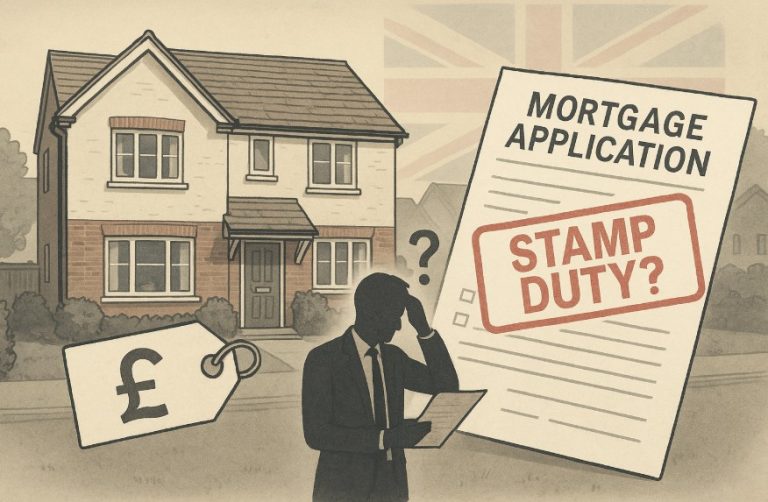
After enquiries are answered, the buyer’s conveyancer reviews the replies and decides whether the legal position is clear enough to proceed. If the answers are complete and no major issue remains, the conveyancer prepares a report for the buyer, confirms the mortgage and deposit arrangements, asks the buyer to sign documents and works with the seller’s conveyancer to agree exchange and completion.
If the answers reveal a problem, the buyer’s conveyancer may raise follow-up enquiries, request missing documents, ask for an indemnity policy, renegotiate with the seller, report an issue to the mortgage lender or advise the buyer not to proceed until the risk is resolved.
GOV.UK explains that, in a sale, a solicitor or conveyancer may answer questions from the buyer’s solicitor or conveyancer with the seller’s help, negotiate contract details if needed, and move towards exchange once both sides are happy with the contract.
Summary Table: What Usually Happens Next?
| Stage after enquiries | What it means | Who normally deals with it |
| Review of replies | Buyer’s conveyancer checks whether the seller’s answers are complete and reliable | Buyer’s solicitor or conveyancer |
| Follow-up enquiries | Extra questions are raised if documents, permissions or explanations are missing | Buyer’s and seller’s conveyancers |
| Report on title | Buyer receives a legal summary of the property, risks, searches and contract | Buyer’s conveyancer |
| Mortgage and funds check | Mortgage offer, deposit, gifted funds and completion money are confirmed | Buyer, conveyancer and lender |
| Signing documents | Contract, transfer deed and mortgage deed may be signed before exchange | Buyer and seller |
| Exchange of contracts | The agreement becomes legally binding | Both conveyancers |
| Completion | Purchase money is transferred and the buyer gets the keys | Conveyancers, lender and estate agent |
| Post-completion work | SDLT return and Land Registry registration are handled where applicable | Buyer’s conveyancer |
What Are Conveyancing Enquiries?

Conveyancing enquiries are legal questions raised by the buyer’s solicitor or conveyancer before exchange of contracts. They are designed to clarify anything unclear, missing or potentially risky in the property papers.
These enquiries often relate to title, boundaries, planning permissions, building regulations, rights of way, restrictive covenants, lease terms, service charges, ground rent, disputes, alterations, guarantees, fixtures and fittings, utilities, access or search results.
For sellers, this stage can feel repetitive because some questions may require documents from old solicitors, local authorities, managing agents, landlords, builders or warranty providers. For buyers, it is one of the main due-diligence stages before becoming legally bound to buy.
The Law Society’s Conveyancing Protocol is designed to standardise the residential conveyancing process and make it more transparent and efficient, although it is not a complete checklist and steps may be carried out in a different order or simultaneously.
What Does “Enquiries Answered” Actually Mean?
“Enquiries answered” does not always mean the transaction is ready to exchange immediately. It usually means the seller’s side has replied to the questions raised so far.
The buyer’s conveyancer still needs to decide whether those replies are:
- complete enough to rely on;
- supported by documents where needed;
- acceptable to the buyer’s mortgage lender;
- consistent with the title, searches, property forms and survey;
- clear enough to avoid further legal risk.
A short answer such as “not known” or “documents unavailable” may technically be a reply, but it may not be a satisfactory answer. In that situation, the buyer’s solicitor may raise additional enquiries or recommend a practical solution.
What Happens Immediately After Enquiries Are Answered?
Once replies arrive, the buyer’s conveyancer normally reviews them alongside the contract pack, title register, title plan, search results, mortgage instructions and any survey issues reported by the buyer.
If the replies are acceptable, the conveyancer can move the file towards the reporting and signing stage. If they are not acceptable, the matter remains in legal review until the risk is resolved or the buyer decides whether to continue.
The Buyer’s Conveyancer Reviews the Replies
The buyer’s conveyancer checks whether each answer deals with the question properly. For example, if the enquiry asked for building regulation approval for a removed wall, the reply should ideally provide the approval, completion certificate, indemnity proposal or a clear explanation of why the document is not available.
If the property is leasehold, the review can take longer because the buyer’s conveyancer may also need to consider lease length, ground rent, service charge accounts, building insurance, planned major works, fire safety information and management company replies. The Leasehold Advisory Service notes that leasehold buyers should check matters such as lease length, ground rent and service charges before buying a flat.
Follow-Up Enquiries May Be Raised
If replies are unclear, inconsistent or incomplete, the buyer’s conveyancer can raise follow-up enquiries. This is common and does not automatically mean the sale is in trouble.
Follow-up enquiries often happen where:
- a document has been promised but not supplied;
- the seller’s answer conflicts with the title or search result;
- the buyer’s lender requires further confirmation;
- the leasehold management pack raises new questions;
- the survey reveals an alteration, defect or boundary concern.
For example, if the seller says there has been no building work, but the survey shows a loft conversion, the buyer’s solicitor may ask for planning and building control evidence before exchange.
Table: Common Enquiry Outcomes and What They Mean
| Enquiry outcome | What it usually means | Possible next step |
| All replies satisfactory | Legal review can move forward | Report on title and signing |
| Minor documents missing | Transaction may continue if risk is low or documents arrive | Follow-up request or indemnity discussion |
| Planning/building approval missing | Buyer needs to understand legal and lender risk | Further evidence, indemnity policy or renegotiation |
| Leasehold pack incomplete | Management company or landlord may need to reply | Wait for LPE1 replies or service charge details |
| Search result raises concern | Local, drainage, environmental or mining issue needs clarification | Extra enquiry, specialist report or buyer decision |
| Mortgage lender requirement unresolved | Buyer may not be able to exchange safely | Conveyancer reports to lender |
| Serious title defect found | Buyer may be advised not to proceed unless fixed | Title remedy, insurance, retention or withdrawal |
When Does the Report on Title Come After Enquiries?

The report on title usually comes after the buyer’s conveyancer is satisfied that the main legal checks have been completed. It is one of the most important documents a buyer receives before exchange.
A report on title normally explains:
- what the buyer is purchasing;
- the legal title and ownership structure;
- rights, restrictions, covenants and easements;
- search results and important risks;
- leasehold obligations if buying a flat or leasehold house;
- mortgage conditions and lender requirements;
- deposit, completion money and likely completion steps.
The buyer should read the report carefully. If anything is unclear, the buyer should ask their conveyancer before signing or authorising exchange.
Does Exchange Happen Straight After Enquiries Are Answered?
Exchange can happen shortly after enquiries are answered, but only if all parties are ready. Enquiries are just one part of the pre-exchange process.
Before exchange, the buyer usually needs:
| Pre-exchange requirement | Why it matters |
| Satisfactory enquiry replies | Confirms legal questions have been resolved |
| Search results reviewed | Checks local authority, drainage, environmental and other search risks |
| Mortgage offer issued | Confirms lender is prepared to lend, subject to conditions |
| Survey considered | Helps buyer understand physical condition and possible repair issues |
| Deposit ready | Usually required before exchange |
| Buildings insurance arranged where needed | Often required from exchange for freehold purchases |
| Completion date agreed | Both sides need a practical moving date |
| Signed contract held | Conveyancers need authority and paperwork to exchange |
MoneyHelper advises buyers to check that surveys are complete, searches are complete, queries have been raised, the written mortgage offer is in place, deposit funds are ready and the completion date is agreed before exchange.
What Happens at Exchange of Contracts?
Exchange of contracts is the point where the buyer and seller become legally bound to complete the transaction. GOV.UK states that an offer is not legally binding until contracts are exchanged.
At exchange, the conveyancers usually confirm that both sides hold signed contracts, the deposit arrangements are agreed, the completion date is fixed and both parties have authority to proceed.
After exchange, pulling out can have serious financial consequences. GOV.UK explains that once contracts are exchanged, the agreement to sell and buy is legally binding and usually neither side can withdraw without paying compensation.
What Happens Between Exchange and Completion?

Between exchange and completion, the transaction moves from legal agreement to final money transfer and ownership change.
The buyer’s conveyancer may:
- request mortgage funds from the lender;
- prepare a completion statement;
- carry out final searches;
- collect the buyer’s remaining funds;
- check signed transfer and mortgage documents;
- prepare for Stamp Duty Land Tax and Land Registry work.
The seller’s conveyancer may obtain a mortgage redemption statement, prepare to discharge the seller’s mortgage, confirm estate agent fees, arrange final completion undertakings and prepare to send signed transfer documents.
What Happens on Completion Day?
On completion day, the buyer’s conveyancer sends the purchase money to the seller’s conveyancer. Once the seller’s conveyancer receives the money and confirms completion, the estate agent can usually release the keys to the buyer.
GOV.UK explains that after exchange and any remaining checks, the buyer’s solicitor or conveyancer transfers the money, and the seller’s solicitor or conveyancer pays off relevant amounts such as the mortgage, secured debts, estate agent fees, service charges and legal fees before sending the remaining balance to the seller.
For buyers, completion is usually the day they can move in. For sellers, it is usually the day they must leave the property in the condition agreed in the contract.
What Happens After Completion?
After completion, the buyer’s conveyancer normally deals with tax and registration. This is often called post-completion work.
For properties in England and Northern Ireland, Stamp Duty Land Tax may need to be filed and paid. GOV.UK states that an SDLT return must be sent to HMRC and any tax paid within 14 days of completion; where a solicitor, agent or conveyancer is used, they usually file the return and pay the tax on the buyer’s behalf.
The buyer’s conveyancer will also apply to HM Land Registry to register the buyer as the new owner where required. HM Land Registry guidance explains that registering property gives proof of ownership, helps protect land from fraud and makes it easier to sell, transfer or mortgage in future.
Table: Indicative Timeline After Enquiries Are Answered
| Stage | Indicative timing | Important note |
| Review of enquiry replies | A few days to 2 weeks | Longer if replies are complex or incomplete |
| Follow-up enquiries | A few days to several weeks | Depends on seller, managing agent, landlord, council or lender |
| Report on title issued | Once legal review is satisfactory | Buyer should read it before authorising exchange |
| Signing and deposit arrangements | Usually before exchange | Signing does not always mean exchange has happened |
| Exchange of contracts | Once all parties in the chain are ready | Legally binding point |
| Completion | Often same day to a few weeks after exchange | Date is agreed between the parties |
| SDLT and registration | After completion | SDLT deadlines and Land Registry processing are separate |
These times are only general indicators. GOV.UK says buying a home in England and Wales takes about five months on average, and the process can take longer where there is a chain.
The government has also recognised delays in the home-buying process. In June 2026, GOV.UK said the average home purchase takes around 120 days and set out a reform roadmap aimed at improving upfront property information and reducing failed transactions.
Why Can There Still Be Delays After Enquiries Are Answered?

Delays after enquiries are answered are common because conveyancing depends on several connected parties. Even if one buyer and seller are ready, the rest of the chain may not be.
Common causes include slow mortgage offer processing, missing leasehold management information, delayed search results, unresolved survey concerns, gifted deposit checks, title defects, missing building certificates, lender conditions or another transaction in the chain not being ready.
In leasehold transactions, managing agents and freeholders can be a major timing factor. The buyer’s solicitor may not be able to report fully until the leasehold pack, accounts, insurance details, ground rent position and service charge information are complete.
Can a Buyer Pull Out After Enquiries Are Answered?
A buyer can usually pull out before exchange of contracts, although they may lose money already spent on legal fees, searches, surveys or mortgage costs. Once contracts are exchanged, withdrawal is much more serious because the contract is legally binding.
GOV.UK confirms that the offer is not legally binding until exchange, but after exchange the agreement to sell and buy is legally binding.
A buyer might pull out after enquiries if the replies reveal a serious issue, such as an unacceptable title defect, unauthorised building work, high leasehold costs, a short lease, a boundary dispute, cladding concern or a lender refusal.
Can a Seller Pull Out After Enquiries Are Answered?
A seller can usually withdraw before exchange, although doing so can damage the chain and may lead to wasted costs for others. After exchange, the seller is normally legally bound to complete on the agreed date.
Sellers should therefore make sure they are comfortable with the agreed price, completion date, fixtures and fittings list, onward purchase arrangements and mortgage redemption position before authorising exchange.
Practical Example: Freehold House Purchase
A buyer is purchasing a freehold house. The seller answers enquiries about a rear extension, a shared driveway and replacement windows. The buyer’s conveyancer reviews the replies and asks for building regulation documents and a FENSA certificate. The seller provides the window certificate but cannot find the extension approval.
The buyer’s conveyancer may then consider whether further council evidence is needed, whether indemnity insurance is appropriate, whether the lender must be told, and whether the buyer is comfortable with the risk. If the issue is resolved, the buyer receives the report on title and the transaction can move towards exchange.
Practical Example: Leasehold Flat Purchase
A buyer is purchasing a leasehold flat. The seller’s solicitor answers initial enquiries, but the leasehold management pack shows planned roof works and rising service charges. The buyer’s conveyancer raises follow-up enquiries about the likely cost, reserve fund, payment timing and whether the seller will contribute.
In this situation, enquiries being “answered” does not mean the buyer should exchange immediately. The buyer needs enough information to understand the financial and legal obligations attached to the flat.
Common Misconceptions About Enquiries Being Answered
“Once enquiries are answered, completion is guaranteed”
This is incorrect. Completion is not guaranteed until contracts are exchanged and then completed. Even after enquiries are answered, the buyer may still need a mortgage offer, search review, signed documents, deposit funds and chain agreement.
“Signing the contract means the buyer has exchanged”
Signing a contract is not the same as exchange. The signed contract is normally held by the conveyancer until both sides formally exchange.
“The solicitor is delaying the sale for no reason”
Sometimes the delay is caused by a genuine legal, lender or third-party issue. A conveyancer must act in the client’s best interests and, where relevant, comply with lender requirements.
“Indemnity insurance fixes every missing document”
Indemnity insurance may help with some legal risks, but it does not physically approve building work, repair defects or remove all lender concerns. Buyers should ask their conveyancer what the policy does and does not cover.
“Leasehold enquiries are the same as freehold enquiries”
Leasehold enquiries are often more detailed because the buyer is also taking on lease obligations, service charges, ground rent, management rules and building-wide responsibilities.
What Should Buyers Do After Enquiries Are Answered?

Buyers should stay in close contact with their conveyancer and read the report on title carefully. They should ask clear questions before exchange, especially if the replies mention missing documents, restrictions, disputes, service charges, planning issues, insurance arrangements or lender conditions.
Buyers should also make sure their mortgage offer is valid, deposit funds are ready, source-of-funds evidence has been provided and buildings insurance is arranged where required.
What Should Sellers Do After Enquiries Are Answered?
Sellers should respond quickly to any remaining questions and provide documents where possible. If documents are missing, the seller should be honest with their conveyancer rather than guessing.
A seller should also prepare for completion by checking the mortgage redemption figure, agreeing the fixtures and fittings position, planning removals, clearing the property as agreed and making sure the estate agent is ready to release keys only after completion is confirmed.
How Solicitor Costs and Transparency Fit Into the Process?
Conveyancing fees can vary depending on whether a property is freehold or leasehold, whether there is a mortgage, whether the title is complex, whether additional legal work is needed and whether the transaction becomes urgent or prolonged.
The SRA Transparency Rules require authorised firms that publish certain legal services to provide cost information so clients and potential clients can make informed choices.
This matters because extra enquiries, leasehold issues, missing documents or title defects may sometimes create additional work. Buyers and sellers should ask their solicitor or conveyancer whether any additional fee applies before the work is carried out.
Final Takeaway
After enquiries are answered, the transaction enters a critical review stage rather than an automatic finish line. The buyer’s conveyancer must decide whether the replies, documents, searches, mortgage position and contract terms are good enough to proceed.
If everything is satisfactory, the next steps are usually the report on title, signing, deposit arrangements, exchange of contracts and completion. If issues remain, further enquiries, lender checks, indemnity insurance, renegotiation or delay may follow.
For buyers and sellers, the safest approach is to respond quickly, avoid assumptions and wait for clear advice from the conveyancer before authorising exchange.
FAQs: What Happens After Enquiries Are Answered
What is the next step after conveyancing enquiries are answered?
The next step is usually legal review by the buyer’s conveyancer. If the replies are satisfactory, the buyer may receive the report on title, sign documents and prepare for exchange. If the replies are not satisfactory, more enquiries may be raised.
How long after enquiries are answered is exchange?
Exchange can happen within days if the transaction is simple and all parties are ready, but it can also take weeks if there are follow-up enquiries, chain delays, lender conditions, leasehold issues or missing documents.
Does “all enquiries satisfied” mean ready to exchange?
It usually means the buyer’s conveyancer is satisfied with the legal replies, but exchange still depends on the mortgage offer, deposit, signed documents, completion date, chain readiness and client authority.
Can enquiries be raised after they have already been answered?
Yes. Follow-up enquiries are common if the first replies reveal new information or if documents remain missing.
Who answers conveyancing enquiries?
The seller’s solicitor or conveyancer usually answers the buyer’s conveyancer’s questions with help from the seller. GOV.UK confirms that a seller’s solicitor or conveyancer may answer questions from the buyer’s solicitor or conveyancer with the seller’s help.
Can a mortgage lender stop exchange after enquiries are answered?
Yes. If an issue affects the lender’s security, the buyer’s conveyancer may need to report it to the lender. The lender may impose conditions, request more information or refuse to proceed.
What happens if the seller cannot answer an enquiry?
The buyer’s conveyancer may ask for alternative evidence, request a statutory declaration, consider indemnity insurance, report to the lender or advise the buyer about the risk. The right response depends on the specific issue.
Are enquiries different for leasehold properties?
Yes. Leasehold purchases often require extra enquiries about the lease, service charges, ground rent, landlord, managing agent, building insurance, planned works and compliance with lease rules.
Can completion happen before Land Registry registration?
Yes. Completion is the transfer of money and practical completion of the sale. Land Registry registration usually happens afterwards as post-completion work.
What should a buyer ask before exchange?
A buyer should ask whether all enquiries are satisfied, whether the mortgage lender is satisfied, whether any risks remain, what the completion statement shows, when buildings insurance should start, and what happens if completion is delayed.
Important Note:
Editorial Note: This article has been reviewed against official GOV.UK, HM Land Registry, Law Society, SRA and MoneyHelper guidance. Last reviewed: 9 July 2026.
Legal disclaimer: This article provides general property information only. It is not legal, tax, mortgage or financial advice. Buyers and sellers should rely on their own solicitor, conveyancer, lender, surveyor or tax adviser before making decisions.